In today’s fast-growing construction and infrastructure landscape, efficiency is no longer a choice—it’s a core requirement. Every delay, overlooked design error, and incorrect material order adds to project wastage, affecting timelines, budgets, environmental goals, and overall project integrity. This is exactly where Building Information Modeling (BIM) is emerging as a revolutionary force.




Reducing Project Wastage with BIM: Why Building Information Modeling Matters
For progressive companies like Konark Infratech, a leading construction company known for delivering high-quality and sustainable construction solutions, BIM is not just another digital upgrade—it is a smarter, leaner, and highly efficient way to build.
Transforming Construction Project Management with BIM
At its foundation, Building Information Modeling is a dynamic digital representation of every functional and physical element of a project. Instead of relying on scattered drawings, documents, and communication chains, BIM brings everything together into one unified, continuously updated digital model.
This becomes the single source of truth for architects, engineers, contractors, scaffold teams, and project managers. For any building contractor, it eliminates ambiguity and ensures complete alignment before construction even begins.
How BIM Strengthens Construction Project Management
By centralizing data and enabling real-time updates, BIM improves project outcomes through:
- Real-time data sharing across all departments
- Smooth coordination between field and design teams
- Faster, informed decision-making
- Early detection of design conflicts or clashes
Instead of discovering errors on-site—where rework becomes expensive and time-consuming—BIM identifies issues at the design stage itself. Teams can simulate changes, test alternatives, and finalize solutions without affecting on-site progress.
This directly reduces rework, avoids material waste, minimizes delays, and creates smoother project workflows—something every renowned construction company aims to achieve.
Key BIM Technology Benefits: Beyond 3D Visualization
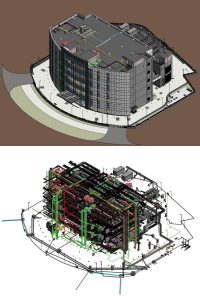
Many people associate BIM with 3D models, but its impact stretches far beyond visuals. BIM supports the entire project lifecycle—from pre-planning and execution to long-term facility management.
Major BIM advantages include:
- Accurate quantity estimation to avoid excess material ordering
- Early design validation, identifying errors before execution
- Resource optimization, ensuring better productivity
- Predictive maintenance planning for long-term asset care
- Data-driven cost forecasting for improved budgeting
For Konark Infratech, these capabilities translate into unmatched accuracy in planning, material forecasting, and resource allocation. It helps project leaders determine how every material—from cement and steel to formwork and scaffolding contractors’ components—will be used.
By accessing precise digital insights, teams avoid unnecessary purchases, plan manpower efficiently, and streamline construction processes. This level of clarity ensures construction activities remain cost-effective, timely, and environmentally responsible.
Supporting Sustainable Building Practices with BIM
Sustainability is no longer an optional feature in today’s construction world—it is a responsibility. BIM supports this shift by enabling companies to reduce carbon impact, manage energy usage, and build structures that are future-ready.
BIM enables sustainability by analyzing:
- Building performance and efficiency
- Energy consumption and insulation opportunities
- Material choices and environmental impact
- Design alternatives for reduced carbon footprint
For Konark Infratech, sustainability is not just a vision but a measurable outcome. With BIM-driven simulations and material analysis, the company ensures that every project delivers environmental value—less waste, optimized energy use, and smarter resource planning.
Through these practices, Konark Infratech continues to position itself as a renowned construction company creating long-lasting, eco-friendly structures.
Smart BIM Implementation: The Key to Success
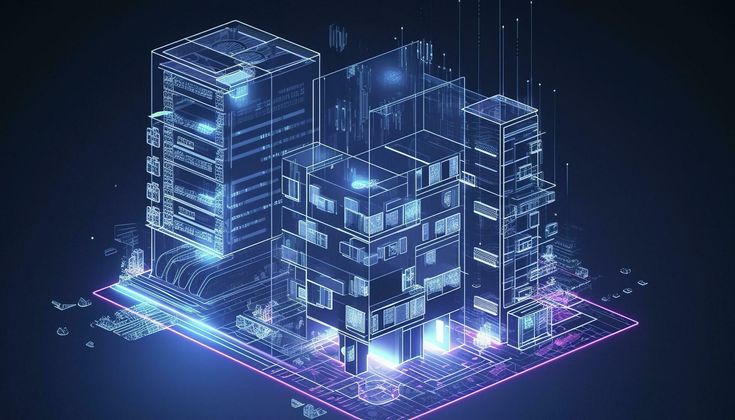
Technology is impactful only when adopted strategically. BIM requires more than a software installation—it needs people, processes, and culture to work together.
Effective BIM implementation includes:
- Team training and skill development
- Streamlined internal workflows
- Cross-department collaboration
- Commitment to data-driven work culture
Konark Infratech is committed to integrating BIM deeply within its operational framework. By empowering teams—from designers to on-site engineers—to utilize BIM tools effectively, the company ensures seamless execution and superior construction outcomes.
This digital adoption strengthens the company’s position as a leading construction company delivering world-class construction company services to clients across multiple segments.
Building Smarter. Reducing Waste. Leading the Future.
As the construction sector continues embracing digital transformation, BIM is proving to be a catalyst for change. For Konark Infratech, adopting BIM is not about staying updated—it’s about leading the future of intelligent, resource-efficient, and responsible building.
BIM is more than technology—it is a mindset shift.
A mindset of precision.
A mindset of sustainability.
A mindset of building smarter, not harder.
By integrating BIM into everyday processes, Konark Infratech continues to redefine what it means to be a modern building contractor—delivering projects that are durable, efficient, waste-free, and built for the long term.
Partner with a renowned construction company that delivers precision, sustainability, and innovation—every step of the way.
Contact Konark Infratech today for advanced construction solutions powered by BIM.
Let’s build the future—efficiently, sustainably, and intelligently.
Frequently Asked Questions (FAQs)

- How does BIM help reduce project wastage in construction?
BIM identifies errors early, optimizes material usage, helps estimate quantities accurately, and enables better coordination between teams. This significantly reduces rework, excess procurement, and time delays—leading to lower project wastage overall.
- Is BIM useful only for large construction projects?
No. BIM benefits projects of all scales. Whether it’s residential, commercial, or industrial, BIM enhances planning, ensures accurate designs, and improves execution for all project sizes.
- Can BIM support sustainability goals in construction and infrastructure projects?
Yes. BIM analyzes material efficiency, energy performance, environmental impact, and building lifecycle behavior. This helps companies design more eco-friendly and resource-smart buildings.
- Does BIM replace the role of architects, engineers, or contractors?
Not at all. BIM enhances their work by improving accuracy, communication, and decision-making. It acts as a powerful tool that allows professionals to plan and execute projects more effectively.
Founded in 1986, Konark Group has become one of Surat’s most trusted and pioneering civil construction companies.



 Company overview